
Catfish Feed Extruder Machine in Cameroon: Explore the RICHI SPHS75×2 twin-screw wet extruder, processing specifications, catfish feed formulations, pellet sizing, and equipment integration for aquaculture feed production.
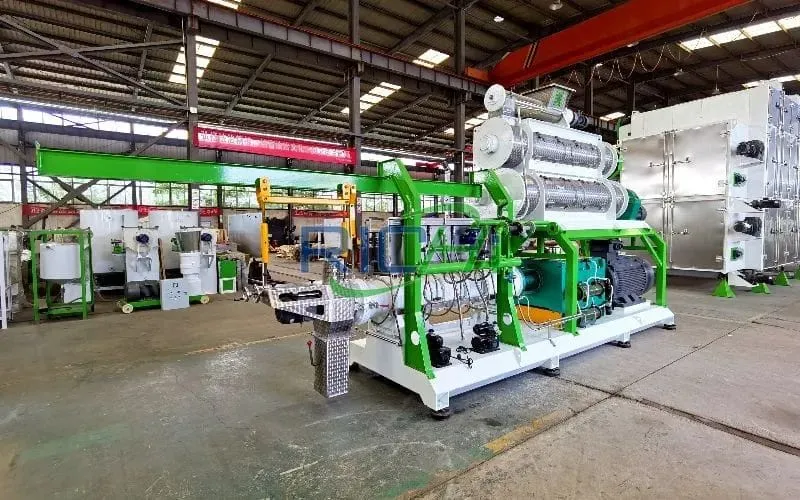
Catfish Feed Extruder Machine in Cameroon was selected for a regional aquafeed manufacturer looking to add extruded fish feed to its existing product portfolio without investing in an entirely new production line. The customer supplied compound feed to freshwater fish farms and wanted to serve more African catfish producers with feed products tailored to different fish sizes.
Its existing facility could handle ingredient preparation, grinding, batching, mixing, and finished-feed handling, but it needed an extrusion machine to develop a new range of processed aquafeed. After reviewing the intended production scale and product requirements, RICHI recommended the SPHS75×2 twin-screw wet type fish feed extruder.
Name:
Catfish Feed Extruder
Country:
Cameroon
Date:
2026
Capacity:
0.5–1.0 T/H
Model:
SPHS75×2
Main Motor Power:
55 kW
Primary application:
Extruded African catfish feed
Pellet diameter:
2–6mm
The project centered on extruded African catfish feed made from cereal ingredients, plant proteins, selected animal protein ingredients, oils, and a vitamin-mineral premix. The initial product range was planned around approximately 2–4 mm pellets for smaller fish and 4–6 mm pellets for larger grow-out catfish, subject to feed formulation, fish size, and processing trials.
The customer purchased one machine rather than a complete fish feed production line. By adding the extruder to suitable existing equipment, the business could develop new feed products, assess demand from local aquaculture customers, and expand its processing capabilities in stages.
Freshwater aquaculture is an important setting for this project. In Cameroon, fish farming includes the cultivation of African catfish and tilapia, with production taking place in ponds, tanks, and other managed freshwater systems. African catfish is a relevant species for commercial farming because it can be raised under a range of production conditions and is familiar to fish producers in the region.
For a local aquafeed supplier, however, serving catfish farmers requires more than supplying a generic fish feed. Fingerlings and larger fish differ in mouth size, feeding behavior, and nutritional requirements. Farms also operate at different scales, and their purchasing decisions are affected by feed cost, availability, pellet handling, and the performance they observe during production cycles.
The customer in this project was a small-to-medium-sized commercial fish feed manufacturer supplying independent fish farms and local aquaculture businesses. It already had experience producing conventional compound feed, but its product range did not fully address buyers seeking extruded catfish pellets. Rather than outsourcing all extrusion work or replacing the existing plant, the manufacturer decided to install one dedicated machine and use its existing equipment wherever the capacity and process conditions were suitable.
This approach kept the investment focused on the missing processing stage. The business could begin with a limited range of catfish feed products, establish operating procedures, and review market demand before considering further capital expenditure. If orders increased, the manufacturer could later assess whether additional drying capacity, storage, conveying, or a larger extrusion system would be justified.
The selected machine was the RICHI SPHS75×2 twin-screw wet extruder, with a listed production capacity of 0.5–1.0 T/H. This configuration was selected for a project intended to establish a dedicated extrusion operation at a manageable scale. The twin-screw design provides a processing option for feed formulations that require controlled mixing, conditioning, and extrusion, while the wet process allows moisture and thermal conditions to be managed before the material passes through the extrusion die.
For this customer, the main objective was to develop a repeatable production method for catfish feed rather than maximize nominal output from the first day of operation. The selected capacity provides a planning range, but actual throughput will depend on the ingredient mixture, moisture level, die specification, pellet dimensions, and operating settings. The final production schedule must also account for downstream drying, cooling, screening, and packing capacity.
| Equipment Parameter | SPHS75×2 Specification |
|---|---|
| Machine type | Twin-screw wet feed extruder |
| Model | SPHS75×2 |
| Main motor power | 55 kW |
| Screw diameter | 75 mm |
| Feeder power | 1.5 kW |
| Conditioner power | 7.5 kW |
| Conditioner specification | DC400-244 |
| Differential conditioner power | 11 kW |
| Differential conditioner specification | DC400×300-244 |
| Listed production capacity | 0.5–1.0 T/H |
| Primary application | Extruded African catfish feed |
| Initial pellet size range | Approximately 2–6 mm, subject to product requirements |
| Shipping origin | Qingdao Port, China |
| Destination port | Port of Douala, Cameroon |
Choosing the right machine involves more than comparing motor power. The technical review also needs to cover the available electrical supply, installation space, material feeding arrangements, and connections to existing equipment. The customer must ensure that the plant can provide suitable conditioned material to the extruder and handle the hot product leaving the cutting stage.
The SPHS75×2 was therefore considered as one part of a wider processing arrangement. Its suitability would be confirmed against the proposed feed formulation and target pellet specifications before final commissioning settings were established.
The planned formulation was based on ingredients that can be considered in commercial compound aquafeed production, including maize, wheat, soybean meal, selected fishmeal, and plant protein ingredients. The exact ingredient supply would depend on local availability, delivered cost, storage conditions, and the manufacturer's purchasing arrangements.
Maize can provide energy and starch, while wheat can contribute both energy and functional properties relevant to pellet formation. Soybean meal is a common plant protein source in compound feeds. Depending on its quality and inclusion rate, cottonseed meal or another suitable oilseed meal may be considered as part of the protein supply. Fishmeal can contribute highly digestible protein and other nutrients, although its inclusion should be evaluated against nutritional requirements and ingredient cost.
For preliminary project planning, an illustrative formulation could contain 25% maize, 15% wheat, 25% soybean meal, 10% fishmeal, 8% suitable cottonseed meal, 5% wheat gluten, 5% vegetable oil, 4% vitamin-mineral premix, and 3% other approved functional ingredients. These proportions total 100% and are intended only to illustrate a possible ingredient structure, not to prescribe a finished commercial feed formula.
Before commercial use, the recipe would need to be evaluated by a qualified aquafeed nutritionist. Protein, digestible energy, amino acid balance, lipid content, fiber, mineral supply, and the suitability of each ingredient for African catfish must all be considered. The use of cottonseed meal, for example, depends on its processing quality, gossypol level, and appropriate inclusion rate. Ingredient names alone do not establish nutritional suitability.
Raw-material preparation is equally important. Coarse particles can interfere with uniform mixing and pellet formation, while excessive fines may affect handling and increase the load on screening equipment. The existing grinding and mixing stages therefore need to deliver a consistent mixture before the material enters the wet extrusion process.
The customer intended to begin with a small number of recipes and adjust the formulation based on fish growth stage, ingredient prices, and product testing. This was a more practical starting point than introducing many feed types simultaneously before the new extrusion operation had established consistent production conditions.
African catfish feed needs to match the size and feeding behavior of the fish. The initial product plan included smaller pellets for juvenile fish and larger pellets for grow-out production. Approximately 2–4 mm pellets were considered for smaller fish and intermediate growth stages, while 4–6 mm pellets were considered for larger catfish. These ranges are preliminary product targets, not fixed requirements for every farm.
Very small fry may require micro-pellets or other specialized starter feeds, so a 2 mm pellet should not automatically be treated as suitable for the earliest feeding stage. The appropriate feed size depends on fish size, mouth opening, feeding response, and the farmer's production system. The customer would confirm these requirements with the farms purchasing the feed.
Extrusion can modify the structure of a feed mixture through moisture, heat, pressure, and mechanical energy. Depending on the formulation and operating conditions, the process can help produce pellets with a controlled shape and physical structure. The final product still needs to be assessed for durability, density, water stability, and nutrient delivery.
Some catfish farmers may prefer sinking feed because it aligns with their feeding practices, while others may have reasons to evaluate floating or slow-sinking products. The extrusion machine alone does not guarantee a particular floating behavior. Pellet buoyancy and sinking characteristics depend on formulation, processing conditions, density, die configuration, and subsequent drying.
Water stability is another consideration. Feed that disintegrates too quickly can increase uneaten material and complicate water-quality management. Conversely, pellets that are too hard or too large may not be suitable for the intended fish size. The producer therefore needs to balance pellet integrity with feeding behavior and nutritional requirements.
The new machine was planned as an addition to the customer's existing facility, with the extrusion stage placed after ingredient preparation and mixing. Suitable raw materials would be cleaned, ground, weighed, and blended according to the selected formula. The prepared mixture would then enter the wet extrusion process, where the conditioning system helps prepare the material for processing through the twin screws and die.
After extrusion, the cutter would produce pellets of the intended length. The hot product would then pass through suitable drying and cooling stages before screening, storage, and packing. The existing downstream equipment would be assessed to confirm that it could handle the required output and product characteristics.
The intended production sequence was:
This arrangement allows the manufacturer to add extrusion capability without replacing every machine in the plant. However, existing equipment should only be reused after checking its condition, capacity, and suitability for the new product. A new extruder cannot compensate for inconsistent mixing, inadequate grinding, or insufficient drying capacity elsewhere in the process.
The investment decision was driven by a clear production gap. The customer already had the basic equipment required to prepare compound feed, but it needed an extrusion machine to produce the new catfish feed range. Purchasing a complete production line would have increased the project scope and duplicated equipment that was still suitable for use.
A standalone extruder also gives the business more flexibility as it develops the market. It can introduce the initial pellet sizes, collect feedback from fish farmers, and improve formulations based on actual production experience. If demand grows, the manufacturer can assess whether additional drying capacity, dedicated conveying equipment, more storage, or a higher-capacity extruder would provide a reasonable return.
For a regional aquafeed business in Cameroon, a staged investment can be a practical way to expand product capability while managing capital expenditure. The decision should nevertheless be based on the real capacity of the existing plant and the output needed from the new extrusion stage, rather than assuming that all current equipment can automatically support the extruder's maximum rated throughput.
The SPHS75×2's listed capacity of 0.5–1.0 T/H provides a starting point for production planning. The achievable rate will depend on the recipe, pellet dimensions, operating conditions, and the capacity of the finishing equipment. Those factors should be checked together before a commercial production target is finalized.
For an aquafeed project, the most useful equipment discussion begins with the intended feed product. Fish species, growth stage, pellet diameter, formulation, expected hourly output, and the existing process arrangement all affect machine selection. These details help determine whether a twin-screw wet extruder is appropriate and what supporting equipment will be required.
RICHI Machinery supplies processing equipment for aquafeed and other feed applications. Experience across different feed categories is valuable because raw materials and finished-product requirements vary considerably. Catfish feed, for example, requires attention to pellet size, physical integrity, nutrient composition, and the handling conditions expected at the farm.
Before confirming the equipment configuration, technical support can cover the proposed ingredient list, the target product specifications, installation requirements, equipment interfaces, and the arrangement of the existing processing stages. Where representative raw materials are available, processing trials can help evaluate throughput and pellet characteristics under defined conditions.
The customer also needs clear information about utilities, operating access, routine maintenance, and the connections required between the extruder and downstream equipment. Reviewing these matters before shipment helps the buyer prepare the installation area and organize the commissioning work.
For a buyer comparing fish feed extruder equipment, this technical review is an important part of the investment decision. The goal is not simply to purchase a machine with a suitable nominal capacity, but to select a configuration that can produce the intended feed and fit the actual plant.
The planned shipping route for this project is sea freight from Qingdao Port in China to the Port of Douala in Cameroon. Douala is a principal commercial port for the country and a suitable destination port for this equipment shipment.
Before dispatch, the model, motor specifications, supplied components, and packing list should be checked against the confirmed order. The buyer should also prepare the installation space and verify the electrical supply and process connections before the machine arrives. These steps are particularly important for a standalone extruder that will be integrated with existing equipment rather than installed as part of a complete new line.
The shipment is intended to deliver one SPHS75×2 machine for the extrusion stage. The project scope remains focused on the customer's need for a dedicated catfish feed extrusion capability, while the suitability of the existing grinding, mixing, drying, cooling, and packing equipment is assessed separately.
In this illustrative project scenario, the customer placed particular value on the ability to define the extrusion requirements before committing to the purchase. The intended pellet sizes, ingredient structure, and existing equipment arrangement gave the technical discussion a clear focus. This helped the buyer understand which parts of the plant could potentially be reused and which process conditions still needed to be confirmed.
The staged-investment approach was another important consideration. Instead of replacing equipment that remained serviceable, the business could concentrate its initial spending on the missing extrusion stage and evaluate market demand for the new catfish feed products. That gave the project a more manageable scope and left room for future upgrades if sales volumes justified them.
The most important measure of success would be the finished product and the way it performs in practice. Pellet size, durability, water stability, moisture content, and consistency would need to be checked during commissioning and product trials. The customer would also assess whether the existing downstream equipment could finish and handle the extruded pellets at the required production rate.
For catfish feed manufacturers, aquaculture businesses, and fish-farming suppliers in Cameroon, the first step is to define the product and the production target. The intended fish size, pellet diameter, formulation, required hourly output, and existing equipment all influence the most suitable extrusion configuration.
RICHI Machinery can help review these requirements and discuss an appropriate fish feed extruder machine, including twin-screw wet extrusion and other suitable configurations where relevant. Model selection should be based on the feed formulation and expected operating conditions, not solely on motor power or nominal capacity.
The SPHS75×2 was selected for this project because the customer needed a dedicated extrusion stage for African catfish feed without replacing the whole plant. For businesses with a similar requirement, sharing the intended ingredient list, target pellet sizes, expected output, and existing equipment details provides a practical starting point for technical consultation and a quotation.
Having the right mix of reliable, high-quality pellet machine and pelletizing systems and expert support is essential to your success. Watch how our end-to-end feed pellet plant solutions have helped our customers optimize their performance.
Our customized and future-proofed turnkey pellet plant solutions is designed with you at the core. From vision to reality and beyond, our team stays connected with yours. Giving you peace-of-mind with an expert at your side.
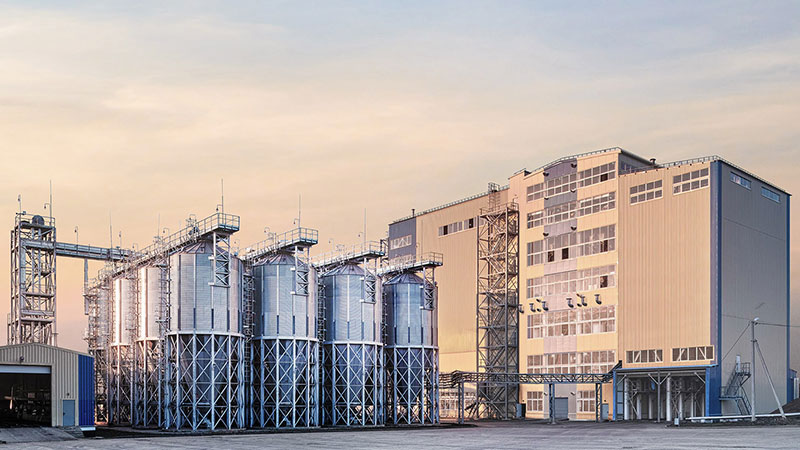
At RICHI, we go beyond project completion. With RICHI Servicee, we’re your dedicated partners in success. Count on us for expert guidance, minimal downtime, and optimized productivity. Choose RICHI for unmatched service and support.
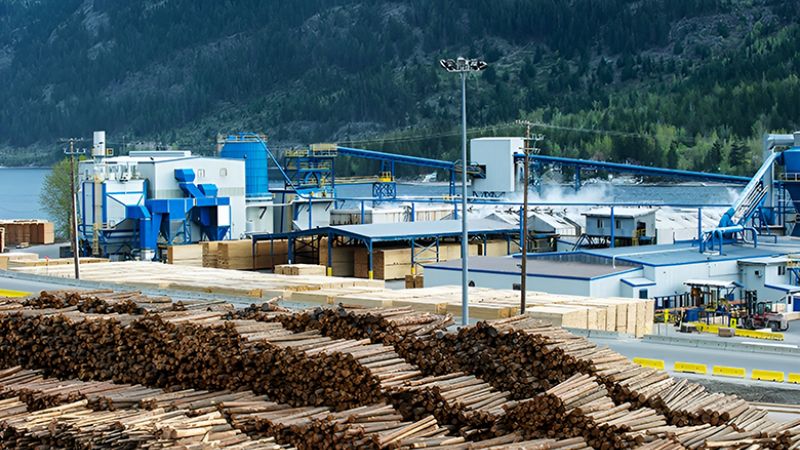


Meet global product demands and quality standards with industry-leading pellet plant design, engineering, equipment, and construction services for pellet processors.


Your Partner Beyond Project Completion
2000+ cases
RICHI is the leading designer, manufacturer and builder of pellet plants in the world, completing over 2000 projects in 140 countries across 6 continents.
Read More
Increase plant productivity, profitability, and safety by integrating high quality equipment into your pellet production line. Over the years, RICHI has become China's top pellet equipment manufacturer. At the same time, RICHI has established valuable partnerships with the world's leading component and raw material manufacturers to bring you the best there is in technology, automation, and efficiency in pelleting plant machinery.

For nearly 30 years, RICHI has been providing best-in-class pellet plant equipment and services to clients across a variety of industries, sizes, and needs. We pride ourselves on the knowledge and skill that each team member possesses – from our technical sales team to our process design engineers. You can count on RICHI Machinery to take your operation to the next level of innovation, quality, and success.
Need help with your pellet manufacturing plant project? Contact us today.
ANIMAL FEED
BIOMASS
WOOD
ORGANIC FERTILIZER
AQUA FEED
CAT LITTER
MUNICIPAL WASTE RECYCLING
SPECIAL PELLET PRODUCTION
RICHI Machinery continues to deliver world class pellet mill equipment, pellet plant engineering and project solutions that add value to our customers in the animal feed, wood waste, agriculture waste, organic fertilizer, cat litter and special pellet products industries. Throughout the years, we RICHI Machinery have built strong brand, becoming industry-leading pellet machine manufacturer. We value integrity, promise quality, and prioritize your success.
Learn MoreWith our expert team, we precisely implement your process engineering requirements in pellet mill and pelletizing plant systems. No matter which industry you’re in – we understand your needs and deliver solutions that meet the highest standards.
At RICHI, quality comes first. Our pellet making machine and related pellet line equipment undergo rigorous quality controls to ensure they meet the highest standards. Rely on products that are durable, safe, and efficient.
With decades of experience in pellet machine and pellet production line production, we have earned a reputation as a trusted partner in various industries. Our expertise allows us to cover a wide range of applications.
Not only do we offer premium pelleting equipment, but we are also experts at designing, building, installing, and maintaining facilities from the ground up. Our expertise is within pellt plant process design, discovering the most efficient, productive, and profitable way to handle your materials in an end-to-end cycle.
○ RICHI MACHINERY
Keeping in touch with us is an effective way to solve all your problems. If you have any needs or questions, please leave your contact information, then RICHI technical consultants will send design, quotation, videos to your mailbox. You can also contact us directly via WhatsApp: +86 13838389622
Copyright©2015-2026 by HENAN RICHI MACHINERY CO., LTD. All rights reserved.