
This is a project regarding a carton pellet making machine in Spain. Spain grows a lot of fruit. Citrus in Valencia, olives in Andalusia, peaches in Murcia. All that fruit moves in wax-coated cartons. The wax coating prevents moisture from softening the boxes in cold storage.
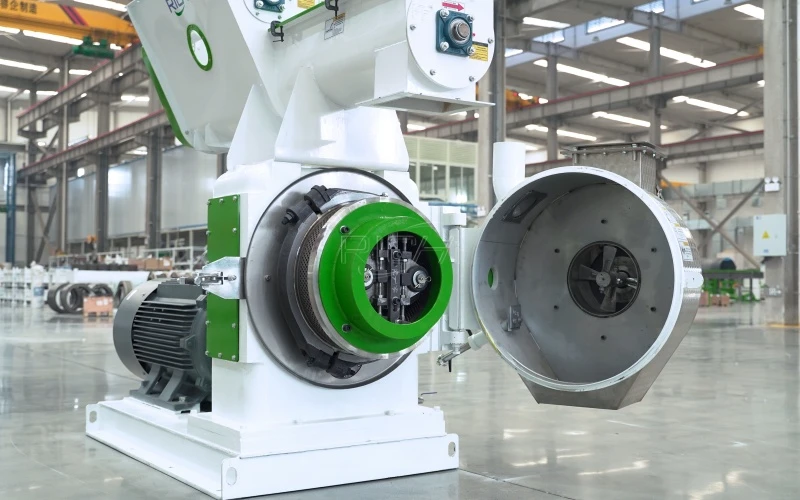
This is a project regarding a carton pellet making machine in Spain. Spain grows a lot of fruit. Citrus in Valencia, olives in Andalusia, peaches in Murcia. All that fruit moves in wax-coated cartons. The wax coating prevents moisture from softening the boxes in cold storage.
But it also makes the cartons difficult to recycle. Paper mills don't want wax. Compost facilities struggle with it because the wax breaks down slowly.
A composting facility near Valencia had this exact problem. The facility takes green waste from municipal collection—grass clippings, tree trimmings, food scraps. But they also accept fruit cartons from packing houses.
The cartons made up about 15% of their incoming material. The wax contamination meant the finished compost failed certain certification standards. They were paying to dispose of the cartons separately.
Name:
carton pellet machine
Country:
Spain
Date:
2026
Capacity:
0.3-0.5 tons/hour
Model:
MZLH350
Main Motor Power:
37kW
Raw Materials:
wax-coated cartons
Pellet diameter:
8mm
The facility owner started looking for an alternative use for those wax-coated cartons. Shredding them and selling as animal bedding? Too dusty. Baling and exporting? Shipping costs killed the margin.
Then someone suggested turning the cartons into pellets for soil application. The wax coating, which was a problem for composting, becomes a feature for slow-release soil pellets. The wax holds the pellet together and gradually degrades in soil, releasing the fiber over time.
The facility already had a shredder and a screening system. What they lacked was a densification machine that could handle wax-coated paper material. They didn't need a full production line. Just a reliable carton pellet making machine in Spain that could process waxed cartons without gumming up the die.
They bought two MZLH350 carton pellet making machine units. Enough capacity for a pilot production run with room to scale.
Soil pellets need different characteristics than fuel or cat litter. They need to be dense enough to handle and spread with standard fertilizer equipment, but they need to break down in soil over 3-6 months. Too dense, and they last too long. Not dense enough, and they disintegrate during spreading.
The MZLH350 carton pellet making machine in Spain is rated at 0.3-0.5 tons per hour. Two machines give the facility 0.6-1.0 tons per hour, or about 3,000-5,000 tons per year running one shift. That's a small volume by composting standards, but soil pellets are a high-value specialty product.
| Parameter | Value |
|---|---|
| Model | MZLH350 (two units) |
| Main motor | 37kW |
| Breaking feeder | 2.2kW |
| Forced feeder | 0.75kW |
| Ring die inner diameter | 350mm |
| Pellet diameter | 8mm |
| Output per machine | 0.3-0.5 tons/hour |
The facility chose the 350 over the 420 because of power availability. The existing building had 100A three-phase service. Enough for two 37kW machines but not for two 90kW machines. The 350 also uses smaller dies, which are cheaper to replace when the wax builds up.
Pellet diameter is 8mm. They tested 6mm, 8mm, and 10mm. The 6mm pellets broke too easily during bagging. The 10mm pellets were hard to spread with standard fertilizer equipment. The 8mm pellets worked well with both rotary spreaders and drop spreaders.
The feedstock is specific to the fruit packing industry in Spain:
Wax-coated fruit cartons (about 70%) – These are corrugated boxes used to ship oranges, lemons, and other citrus. The wax coating is a paraffin-based wax applied to both sides of the cardboard. The coating content is about 8-10% by weight. The wax is problematic for recycling but helpful for pellet binding.
Unwaxed produce cartons (20%) – Standard corrugated boxes used for dry produce like onions and potatoes. No wax coating. These provide fiber structure without excessive wax.
Shredded paper and cardboard from office waste (10%) – Sourced from a document destruction company in Valencia. This material is clean and dry, with no coating or contamination.
No additional binders are needed. The wax coating acts as a binder when heated. The melting point of paraffin wax is about 55-60°C. The pelletizing process generates temperatures of 70-80°C, so the wax melts and coats the paper fibers. When the pellet cools, the wax solidifies and holds everything together.
Moisture target is 11-13%. Wax-coated cartons come in at about 8% moisture because the wax seals out humidity. The facility adds a small amount of water in a paddle mixer before feeding into the pellet machine.
The finished pellets have a slight waxy feel. They don't absorb water quickly—that's the point. When applied to soil, the wax breaks down slowly over 3-4 months, releasing the paper fiber as organic matter. Farmers using these pellets on olive groves reported improved soil water retention in sandy soils.
Spain has 2.5 million hectares of olive groves. That's a massive market for soil amendments. Conventional practice uses synthetic slow-release fertilizers or imported peat. Both are expensive. Organic soil amendments made from local waste are cheaper and fit the "circular economy" branding that Spanish consumers like.
The facility sells the carton pellets in 25kg bags through agricultural cooperatives. Retail price is 12 euros per bag. Production cost is about 4 euros per bag, including raw material, power, labor, and bagging. The margin is healthy.
The product is marketed as "Papel del Suelo" (Soil Paper) and positioned as a soil conditioner rather than a fertilizer. No nutrients. Just organic matter that improves soil structure and water retention. Farmers apply it at 500-1,000 kg per hectare before planting or after harvest.
Early adopters are organic olive farmers. Certification is easier with waste-based inputs than with synthetic products. The facility is working on getting organic certification for the pellets. Once approved, the price could go to 18-20 euros per bag.
The facility considered simply shredding the cartons and selling the fluff as soil cover. But shredded carton fluff is dusty, hard to spread, and blows away in wind. Pellets solve all three problems.
A competitor in Catalonia tried selling shredded carton as animal bedding. It failed because the wax made the material less absorbent. Pelleting doesn't fix the absorbency problem, but for soil application, low absorbency is actually good. The pellets don't soak up water immediately and turn to mush.
The facility also looked at hydraulic briquette presses. Those produce larger briquettes that need to be crushed before spreading. The 8mm pellets from the MZLH350 can be spread directly. No secondary processing.
The ring-die design was chosen because it produces consistent pellets continuously. Hydraulic presses cycle. Ring-die machines run steady, which matters for a facility that processes waste continuously.
The two MZLH350 machines were shipped from Qingdao in April. The port of destination was Valencia, Spain's largest Mediterranean port. Valencia is only 30 kilometers from the composting facility, making transport simple.
Sea freight took 35 days via the Suez Canal and Gibraltar. Customs clearance at Valencia took six days. Spain's import procedures are straightforward but slow. The facility used a customs broker in Valencia who specialized in machinery imports from China.
Import duty on industrial machinery from China to Spain (EU) is 2.7%. VAT is 21% but recoverable for businesses. The total landed cost was about 18% above the FOB price.
From the port, the machines traveled by flatbed truck to the facility. The 40-foot containers were offloaded using a forklift with extended forks. Both machines were installed within a week.
The machines started up well, but three issues emerged within the first month.
Problem one: wax buildup on the die. The melted wax would accumulate on the die face, eventually blocking holes. The solution was to increase the die temperature. RICHI recommended reducing the forced feeder speed by 20% to keep material in the die longer, which raised the temperature and kept wax flowing through instead of solidifying on the face. The facility also added a die-face scraper—a simple spring-loaded blade that wipes wax off the die surface.
Problem two: pellets were too hard. The 1:4 compression ratio was producing pellets that took too long to break down in soil. RICHI supplied new dies with a 1:3 compression ratio. The lower compression produced softer pellets that still held together in the bag but broke down in soil within 3-4 months.
Problem three: dust from the breaking feeder. The shredded carton produced fine dust that escaped around the breaking feeder shaft. The facility added a simple rubber seal. Dust reduced by 90%.
The facility's production manager shared feedback through RICHI's distributor in Madrid:
"The machines run about 15 hours per week, two to three days per week. That's enough to process all our wax-coated carton waste. We produce about 2,000 tons of pellets per year.
Die life is about 2,000 hours. The wax acts as a lubricant, so wear is lower than with dry cardboard. We're on our second set of dies now. The first set is still usable as a backup.
The forced feeder motor gets hot during summer. Spanish summers are brutal. We added a ventilation fan above the machines. That solved the problem.
The biggest surprise was the market response. We thought farmers would be skeptical about paper pellets. But organic olive growers love them. The wax coating is a selling point—it means the pellets don't dissolve in the first rain.
One thing we learned: don't store pellets outside. Rain softens them even with the wax coating. We built a covered storage area. Now the pellets stay dry.
Would we buy these machines again? Yes, but we would buy a single MZLH420 instead of two 350s. Less maintenance. But at the time we bought, the 350s were what we could afford."
The MZLH350 waste carton paper pellet making machine has several features that make it suitable for wax-coated carton processing:
Low compression ring dies – The 1:3 compression ratio is lower than standard. This produces softer pellets that break down in soil. RICHI offers custom compression ratios for non-fuel applications.
Variable speed forced feeder – The VFD allows operators to adjust feed rate to control die temperature. Slower feed = longer residence time = higher temperature. This is how the facility manages wax melting.
Stainless steel feed chute – The wax coating can stick to mild steel. Stainless steel has a smoother surface that reduces sticking. RICHI offered this as an option.
Shear bolt protection – Staples and other metal occasionally appear in carton waste. The shear bolt breaks instead of the gearbox. The facility keeps 100 shear bolts in stock.
The wax-coated carton problem is not going away. Spain's fruit industry produces about 200,000 tons of wax-coated carton waste annually. Most of it currently goes to waste-to-energy plants or landfills. Only a small fraction is recycled.
The composting facility in Valencia proved that carton pellets work as a soil amendment. Other compost facilities are watching. At least three have contacted RICHI Machinery's Spanish distributor about similar machines in the past six months.
The potential market is substantial. Spain's agricultural sector is increasingly interested in organic soil amendments. The EU's Farm to Fork strategy encourages circular economy practices. Using waste cartons as soil input fits perfectly with EU policy.
For any composting facility or agricultural cooperative sitting on wax-coated carton waste, the same opportunity exists. The equipment is proven. The product has tested market demand. The only question is whether to invest in the processing capacity.
The facility in Valencia made the leap. Two MZLH350 carton pellet making machines, some wax-coated fruit boxes, and an experimental approach. That was enough to turn a waste problem into a profitable soil amendment product with a loyal customer base among organic olive growers.
Having the right mix of reliable, high-quality pellet machine and pelletizing systems and expert support is essential to your success. Watch how our end-to-end feed pellet plant solutions have helped our customers optimize their performance.
Our customized and future-proofed turnkey pellet plant solutions is designed with you at the core. From vision to reality and beyond, our team stays connected with yours. Giving you peace-of-mind with an expert at your side.
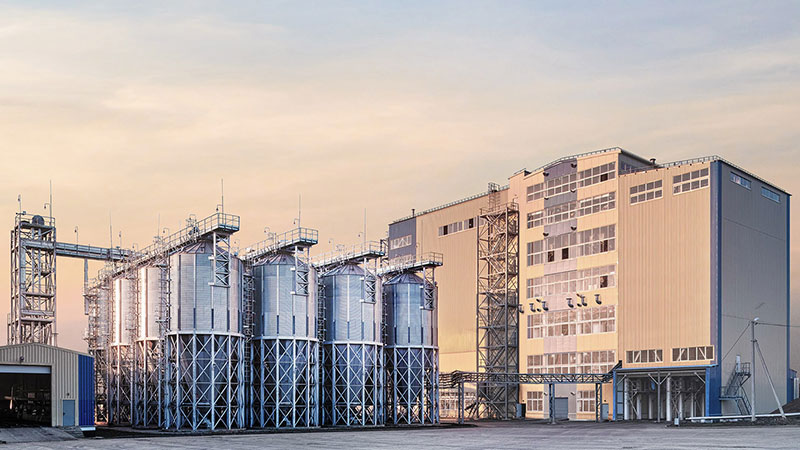
At RICHI, we go beyond project completion. With RICHI Servicee, we’re your dedicated partners in success. Count on us for expert guidance, minimal downtime, and optimized productivity. Choose RICHI for unmatched service and support.
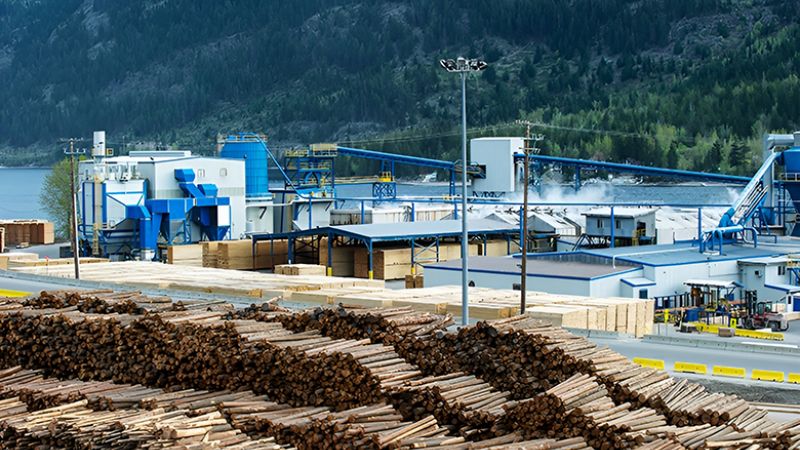


Meet global product demands and quality standards with industry-leading pellet plant design, engineering, equipment, and construction services for pellet processors.


Your Partner Beyond Project Completion
2000+ cases
RICHI is the leading designer, manufacturer and builder of pellet plants in the world, completing over 2000 projects in 140 countries across 6 continents.
Read More
Increase plant productivity, profitability, and safety by integrating high quality equipment into your pellet production line. Over the years, RICHI has become China's top pellet equipment manufacturer. At the same time, RICHI has established valuable partnerships with the world's leading component and raw material manufacturers to bring you the best there is in technology, automation, and efficiency in pelleting plant machinery.

For nearly 30 years, RICHI has been providing best-in-class pellet plant equipment and services to clients across a variety of industries, sizes, and needs. We pride ourselves on the knowledge and skill that each team member possesses – from our technical sales team to our process design engineers. You can count on RICHI Machinery to take your operation to the next level of innovation, quality, and success.
Need help with your pellet manufacturing plant project? Contact us today.
ANIMAL FEED
BIOMASS
WOOD
ORGANIC FERTILIZER
AQUA FEED
CAT LITTER
MUNICIPAL WASTE RECYCLING
SPECIAL PELLET PRODUCTION
RICHI Machinery continues to deliver world class pellet mill equipment, pellet plant engineering and project solutions that add value to our customers in the animal feed, wood waste, agriculture waste, organic fertilizer, cat litter and special pellet products industries. Throughout the years, we RICHI Machinery have built strong brand, becoming industry-leading pellet machine manufacturer. We value integrity, promise quality, and prioritize your success.
Learn MoreWith our expert team, we precisely implement your process engineering requirements in pellet mill and pelletizing plant systems. No matter which industry you’re in – we understand your needs and deliver solutions that meet the highest standards.
At RICHI, quality comes first. Our pellet making machine and related pellet line equipment undergo rigorous quality controls to ensure they meet the highest standards. Rely on products that are durable, safe, and efficient.
With decades of experience in pellet machine and pellet production line production, we have earned a reputation as a trusted partner in various industries. Our expertise allows us to cover a wide range of applications.
Not only do we offer premium pelleting equipment, but we are also experts at designing, building, installing, and maintaining facilities from the ground up. Our expertise is within pellt plant process design, discovering the most efficient, productive, and profitable way to handle your materials in an end-to-end cycle.
○ RICHI MACHINERY
Keeping in touch with us is an effective way to solve all your problems. If you have any needs or questions, please leave your contact information, then RICHI technical consultants will send design, quotation, videos to your mailbox. You can also contact us directly via WhatsApp: +86 13838389622
Copyright©2015-2026 by HENAN RICHI MACHINERY CO., LTD. All rights reserved.