
Big bale chopper in South Africa has become critical equipment for livestock operations struggling with the country's recurring drought conditions. A medium-sized feedlot operation located in the North West Province, near the town of Brits, recently purchased two units of the YPPK-2600 big bale chopper to solve a specific problem that had been costing them significant money.
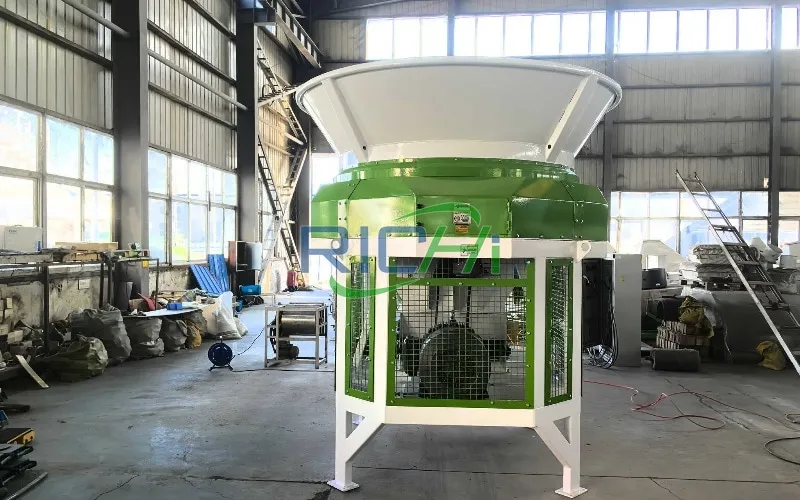
Big bale chopper in South Africa has become critical equipment for livestock operations struggling with the country's recurring drought conditions.
A medium-sized feedlot operation located in the North West Province, near the town of Brits, recently purchased two units of the YPPK-2600 big bale chopper to solve a specific problem that had been costing them significant money: processing drought-stressed maize silage bales that were wrapped too tightly and contained inconsistent moisture levels.
The feedlot had been relying on a single ancient stationary tub grinder that was originally designed for dry hay, not the tough, compacted silage bales that became common after two consecutive poor rainy seasons.
That old machine would overheat after 45 minutes of running, and its hammers would bounce off the dense material rather than tearing it apart. The feedlot manager knew he needed industrial-grade equipment that could handle South African conditions—heat, dust, and variable feedstock quality—without constant breakdowns.
Name:
Big Bale Shredder
Country:
South Africa
Date:
2025
Capacity:
Flexible
Model:
YPPK-2600
Main Motor Power:
55 kW
Max processing diameter:
1800 mm
Final product size:
20-30mm
The client operates as a custom cattle finishing feedlot with a capacity of approximately 2,500 head at any given time. They purchase weaned calves from communal farmers across the North West and Limpopo provinces, then feed them out to slaughter weight over 120-150 days.
The critical input is roughage—specifically, maize silage and sorghum stalks. However, because many of their suppliers are small-scale farmers who bale their own crops, the feedlot receives big round bales of varying density, moisture, and quality.
Some bales are perfect: chopped at harvest, wrapped correctly, with moisture around 55-60% for ideal silage fermentation. Others are disaster bales: drought-stressed maize that was baled too dry under 40% moisture, wrapped anyway, and turned into tough, rigid cylinders that conventional choppers cannot handle.
The feedlot previously used a European-made bale processor mounted on the back of a tractor. That machine worked fine for loose hay but choked constantly on the denser silage bales. The rotor would stall, the shear bolts would snap, and the operator would spend more time replacing pins than actually processing feed.
After calculating the downtime cost—approximately R8,000 around $430 USD per hour in lost feeding time and labor—the feedlot owner decided to replace the old system entirely. He researched big bale chopper for sale options across international markets and found that RICHI Machinery offered heavy-duty construction at a price point that allowed him to buy two machines for less than one new European unit.
He purchased two YPPK-2600 big bale choppers as standalone replacements for his existing single machine. The plan is simple: run both units in parallel, one dedicated to good-quality silage bales and the other to the tougher, drought-stressed material that requires more aggressive shredding.
After discussing the specific challenges of processing drought-stressed maize silage, the feedlot selected the YPPK-2600 model with a modified configuration for tropical conditions:
| Specification | YPPK-2600 Value | How It Matches South African Needs |
|---|---|---|
| Power (kw) | 55 | Runs on existing 380V/50Hz grid power no generator required |
| Max processing diameter (mm) | 1800 | Fits the common 1.6m round bales from local suppliers |
| Number of hammers | 36 | Provides enough impact force for dense, dry silage |
| Overall dimensions (mm) | 3800*2600*2650 | Fits inside the existing covered feed shed |
| Equipment weight (T) | 2.2 | Heavy enough for stability; can be moved with a skid-steer |
The primary materials processed daily at this South African feedlot include:
The target output size is 20-30mm, which the feedlot nutritionist confirmed as optimal for feedlot rations. At this length, the roughage forms a proper rumen mat, reducing the risk of bloat and acidosis—two common problems in South African feedlots that push high-concentrate finishing rations.
The single most valuable feature on the YPPK-2600 for this application is the damping plate inside the crushing chamber. Here is why it matters in the South African context.
Most standard bale choppers rely on rotor speed and hammer momentum to break material. When a dense, drought-stressed maize silage bale enters the chamber, the hammers initially strike the surface and create a slip effect—the impact compresses the material without tearing it, and the bale just rotates in place rather than feeding. The operator then has to push harder, which jams the rotor or overloads the motor.
The damping plate changes the physics. It creates a fixed surface opposite the rotor, effectively pinching the bale between the moving hammers and the stationary plate. This increases the grip force on the material, forcing the hammers to actually tear through the fibers rather than just slapping the surface. For the South African feedlot, this means:
The gear external chain rotary cutting at the feed intake complements the damping plate. This rotary cutter actively pulls the bale into the crushing zone, pre-cutting the outer layer before the hammers engage. It also handles the plastic net wrap that most South African bales use—cutting it into small pieces that pass through without tangling around the rotor shaft.
South African soils, particularly in the maize-growing regions, are often derived from ancient granite and basalt formations. These soils are high in silica, which accumulates in plant tissues—especially in sorghum and drought-stressed maize. Standard hammers made from mild steel will round over and lose their cutting edge within 50-80 hours of operation in these conditions.
The YPPK-2600 uses a two-stage hammer construction process:
The result, as reported by the South African feedlot operator, is that the original set of hammers lasted through 1,800 bales approximately 900 tons of material before needing rotation. For comparison, the old European machine required hammer replacement every 300-400 bales.
Once the big bale chopper reduces the silage and straw to 20-30mm, the material moves directly into the feedlot's mixing and feeding system:
While this feedlot bought the YPPK-2600 for livestock nutrition, the versatility of a big bale chopper extends to several other South African agricultural sectors:
The two YPPK-2600 units were shipped via ocean freight from RICHI's manufacturing facility in Qingdao. Special attention was paid to anti-corrosion packaging due to the high humidity encountered during the sea voyage through tropical latitudes.
The entire transit time from factory gate to yard delivery was 48 days, including 8 days for customs clearance in Durban. The feedlot arranged their own customs broker, but RICHI provided all necessary documentation commercial invoice, packing list, bill of lading, CE declaration, and a certificate of origin for preferential tariff treatment under the China-South Africa trade agreement.
The feedlot's operations manager provided detailed feedback during a site inspection visit summarized from a recorded discussion:
Before we bought these two machines, we had a saying in the feedlot: Friday afternoons are for fixing the chopper. Because sure enough, by the end of the week, the old European machine would have thrown a belt or snapped a shear bolt or just given up entirely. We were spending more time on maintenance than on feeding.
The RICHI YPPK-2600 bale crusher machine changed that. We installed both units in March last year. It is now March again. Between the two machines, we have processed over 3,500 bales—roughly 1,750 tons of material. Total downtime for repairs One afternoon when a rock jammed between the damping plate and the rotor. We removed the rock, and the machine kept running. That is it.
The tungsten carbide hammers are still on the original set. We rotated them once at the six-month mark. They show wear, sure, but they still cut. On our old machine, we would have been on the fourth set by now.
The size consistency is the biggest difference for the cattle. Before, we would find fist-sized chunks of compacted silage in the TMR—cattle would leave those in the bunk, and we would have to shovel them out. Now, everything passes through at 20-30mm. The bunks are clean at every feeding. Our conversion rate has improved by about 4%. That does not sound like much, but over 2,500 head, 4% is a lot of money.
One thing we learned: order the optional hydraulic feed roller if you process dry bales regularly. We process mostly silage, so we did not need it. But for the occasional dry hay bale, the feed rate slows down. We manage fine, but the roller would make it faster.
Would we buy RICHI again We already are. We just ordered a second set of spare hammers and a backup chain. And we are looking at one of their pellet mills to process the fines that collect under the conveyor—turn that waste into rabbit feed pellets for the local market.
The feedlot evaluated four potential solutions before making a decision. The comparison illustrates why RICHI won the business:
| Option | Price (ZAR) | Lead Time | Key Problem |
|---|---|---|---|
| Rebuilt local tub grinder | R280,000 | Immediate | High hours, unknown maintenance history, no warranty |
| New Italian bale shredder | R850,000 | 10 weeks | Single machine only, no redundancy, expensive spares |
| Used American bale processor | R450,000 | 6 weeks | Too large for the shed, high fuel consumption |
| Two RICHI YPPK-2600 units | R620,000 total | 3 weeks | Two units, new with warranty, spare parts kit included |
For slightly more than the price of a single rebuilt local machine, the feedlot got two brand-new units with redundancy, a full warranty, and a spare parts package. The perceived risk of buying direct from China was mitigated by:
To ensure this South African customer felt confident operating 12,000km from the factory, RICHI Machinery delivered a tailored service package:
The feedlot manager later commented that the quality of the documentation and the responsiveness of the support team made him feel like he had bought from a local supplier, not a factory across the ocean. He has since referred two other South African feedlots to RICHI.
The big bale chopper in South Africa represented by this North West Province feedlot installation proves that heavy-duty Chinese equipment can compete directly with—and in many cases outperform—established European and American brands. The YPPK-2600 handles the country's challenging drought-stressed maize silage, delivers consistent 20-30mm particle size for optimal feedlot nutrition, and withstands daily commercial use without excessive maintenance.
For any South African feedlot, dairy, or custom feed processor currently fighting with an undersized, unreliable, or single-point-of-failure bale processing system, the YPPK series offers a heavy-duty, cost-effective alternative. The ability to purchase two units for the price of one European machine provides operational redundancy—when one machine needs maintenance, the other keeps the cattle fed.
Contact RICHI Machinery directly for a site assessment, to request hammer material samples for hardness testing, or to arrange a visit to a working installation in South Africa. The return on investment is clear: less downtime, better feed quality, improved cattle performance, and a machine built to last through many South African harvest seasons.
Having the right mix of reliable, high-quality pellet machine and pelletizing systems and expert support is essential to your success. Watch how our end-to-end feed pellet plant solutions have helped our customers optimize their performance.
Our customized and future-proofed turnkey pellet plant solutions is designed with you at the core. From vision to reality and beyond, our team stays connected with yours. Giving you peace-of-mind with an expert at your side.
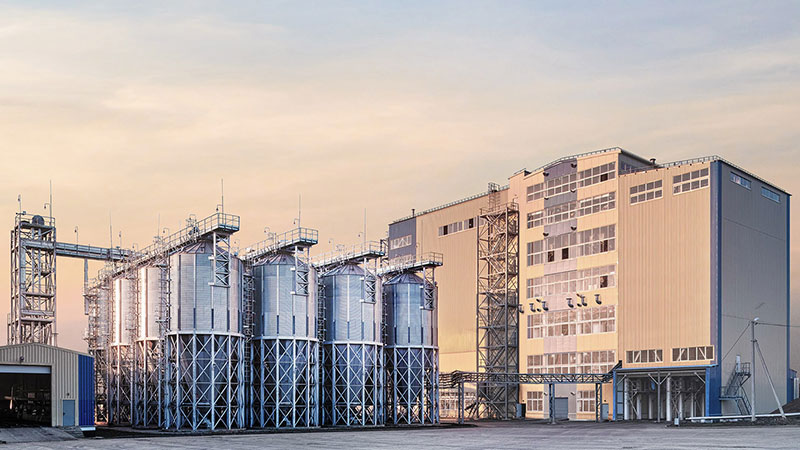
At RICHI, we go beyond project completion. With RICHI Servicee, we’re your dedicated partners in success. Count on us for expert guidance, minimal downtime, and optimized productivity. Choose RICHI for unmatched service and support.
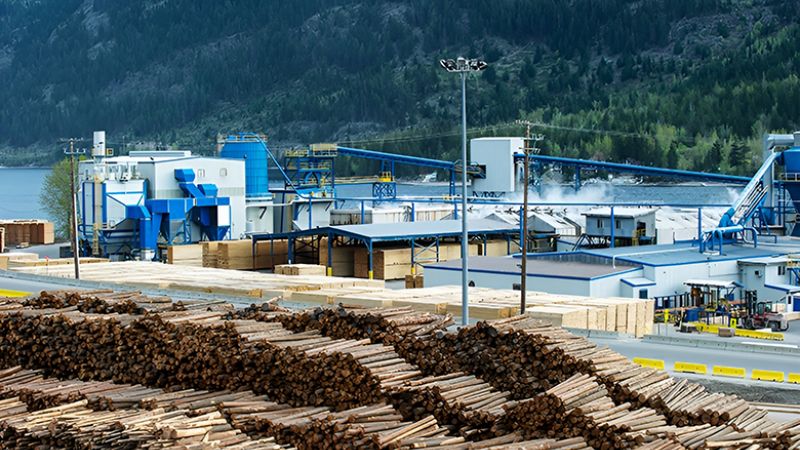


Meet global product demands and quality standards with industry-leading pellet plant design, engineering, equipment, and construction services for pellet processors.


Your Partner Beyond Project Completion
2000+ cases
RICHI is the leading designer, manufacturer and builder of pellet plants in the world, completing over 2000 projects in 140 countries across 6 continents.
Read More
Increase plant productivity, profitability, and safety by integrating high quality equipment into your pellet production line. Over the years, RICHI has become China's top pellet equipment manufacturer. At the same time, RICHI has established valuable partnerships with the world's leading component and raw material manufacturers to bring you the best there is in technology, automation, and efficiency in pelleting plant machinery.

For nearly 30 years, RICHI has been providing best-in-class pellet plant equipment and services to clients across a variety of industries, sizes, and needs. We pride ourselves on the knowledge and skill that each team member possesses – from our technical sales team to our process design engineers. You can count on RICHI Machinery to take your operation to the next level of innovation, quality, and success.
Need help with your pellet manufacturing plant project? Contact us today.
ANIMAL FEED
BIOMASS
WOOD
ORGANIC FERTILIZER
AQUA FEED
CAT LITTER
MUNICIPAL WASTE RECYCLING
SPECIAL PELLET PRODUCTION
RICHI Machinery continues to deliver world class pellet mill equipment, pellet plant engineering and project solutions that add value to our customers in the animal feed, wood waste, agriculture waste, organic fertilizer, cat litter and special pellet products industries. Throughout the years, we RICHI Machinery have built strong brand, becoming industry-leading pellet machine manufacturer. We value integrity, promise quality, and prioritize your success.
Learn MoreWith our expert team, we precisely implement your process engineering requirements in pellet mill and pelletizing plant systems. No matter which industry you’re in – we understand your needs and deliver solutions that meet the highest standards.
At RICHI, quality comes first. Our pellet making machine and related pellet line equipment undergo rigorous quality controls to ensure they meet the highest standards. Rely on products that are durable, safe, and efficient.
With decades of experience in pellet machine and pellet production line production, we have earned a reputation as a trusted partner in various industries. Our expertise allows us to cover a wide range of applications.
Not only do we offer premium pelleting equipment, but we are also experts at designing, building, installing, and maintaining facilities from the ground up. Our expertise is within pellt plant process design, discovering the most efficient, productive, and profitable way to handle your materials in an end-to-end cycle.
○ RICHI MACHINERY
Keeping in touch with us is an effective way to solve all your problems. If you have any needs or questions, please leave your contact information, then RICHI technical consultants will send design, quotation, videos to your mailbox. You can also contact us directly via WhatsApp: +86 13838389622
Copyright©2015-2026 by HENAN RICHI MACHINERY CO., LTD. All rights reserved.