
A livestock cooperative near Nakuru added one RICHI FZLH350 animal manure pellet making machine in Kenya to its existing manure-composting operation. The cooperative combines dairy and poultry farming, managing manure from approximately 400 dairy cattle and 25,000 chickens while also growing maize and other crops on associated farmland.

A livestock cooperative near Nakuru added one RICHI FZLH350 animal manure pellet making machine in Kenya to its existing manure-composting operation. The cooperative combines dairy and poultry farming, managing manure from approximately 400 dairy cattle and 25,000 chickens while also growing maize and other crops on associated farmland.
The customer did not purchase a complete organic fertilizer plant at this stage. It already had manure collection areas, composting space and basic material-handling equipment. The missing step was a ring die granulator capable of converting properly composted, dried and prepared organic material into denser fertilizer pellets for easier storage, bagging, transport and application.
Name:
Animal Manure Pellet Machine
Country:
Kenya
Date:
2025
Capacity:
3–5 T/H
Model:
FZLH350
Main Motor Power:
37 kW
Raw Materials:
cow-manure and poultry-manure compost
Pellet diameter:
5 mm
The cooperative had already been recycling manure through composting rather than disposing of it as untreated waste. Its problem was what happened after composting.
Loose compost has relatively low bulk density, generates dust during repeated handling and occupies considerable storage and transport volume. The customer wanted to convert part of its mature compost into a standardized commercial product that could be packaged for its own crop land and for agricultural customers around the Nakuru area.
The volume of manure available from 400 dairy cows and 25,000 chickens is sufficient to justify organized manure management, but daily fresh-manure tonnage should not be confused with pellet-mill capacity.
Fresh manure contains large amounts of water. Collection method, bedding, spilled water and poultry-house management can all substantially change the measured wet tonnage. During composting, organic matter decomposes and water is lost. Additional drying and screening further reduce the mass that eventually reaches the pelletizer.
For this reason, RICHI did not size the FZLH350 organic fertilizer pellet machine simply by taking an estimated 20 tonnes of fresh manure per day and dividing it by operating hours.
The relevant design figure is the amount of prepared composted material available for granulation after fermentation, moisture adjustment, crushing and formulation.
| Project Parameter | Configuration |
|---|---|
| Equipment | Animal manure pellet making machine |
| Model | FZLH350 |
| Main Motor | 37 kW |
| Forced Feeder | 0.75 kW |
| Discharge / auxiliary drive | Configured according to the supplied machine |
| Pelletizing Principle | Ring die granulation |
| Typical Pellet Diameter Range | Approximately 4–10 mm according to die and product requirement |
| Main Material | Stabilized cow-manure and poultry-manure compost with suitable agricultural carbon materials |
| Main Application | Granular organic fertilizer |
| Project Type | Single-machine addition to an existing composting operation |
Organic fertilizer throughput is sensitive to bulk density, moisture, fibre content, particle size, formulation and the compression characteristics of mature compost. A manure-based mixture behaves very differently from a dense mineral fertilizer or a uniform feed mash.
RICHI therefore evaluates actual prepared material before confirming production output.
The 37 kW FZLH350 fertilizer granulator machine was selected because it matched the cooperative’s planned granulation section and allowed the customer to move from loose compost into commercial pellet production without immediately investing in a much larger complete plant.
The most important technical correction in this animal manure pellet making machine in Kenya project is the position of the pelletizer in the process.
Fresh cow dung or poultry manure should not be collected, dried briefly and fed directly into the FZLH350.
Before granulation, manure needs an appropriate stabilization process. For this customer, that means controlled aerobic composting or fermentation followed by preparation of the mature material.
The process used around the FZLH350 is:
This sequence makes the pelletizer a finishing and densification machine rather than a manure-treatment machine.
The FZLH350 does not sanitize fresh manure simply by forcing it through a die, and it does not replace composting.
Fresh cow manure and poultry manure differ considerably in moisture, nitrogen content and physical structure. Even manure from the same farm changes with feed, bedding and collection method. Maize residues and sawdust can supply carbon and improve structure during composting, but their required quantity depends on the properties of the manure mixture.
Sawdust in particular should not simply be added because pellets need “more fibre.” Too much woody material can dilute nutrient concentration, change carbon-to-nitrogen balance and alter granulation behavior.
RICHI therefore distinguishes two formulation stages.
During composting, carbon-rich materials are used to help achieve the biological and structural conditions required for effective fermentation. Before granulation, the matured compost is analyzed and adjusted according to the finished fertilizer specification.
The final pellet formulation does not have to reproduce the same proportions used when the fresh compost pile was constructed.
This gives the customer more flexibility. Poultry-manure compost may provide a different nutrient profile from cattle-manure compost, while maize residue, bedding and other plant materials affect organic matter and pellet structure.
Laboratory analysis of the mature material is therefore more useful than relying on one permanent percentage formula.
Fresh dairy manure can contain substantially more water than 35–40%, especially where urine and wash water are collected together. Poultry manure can also vary greatly according to housing and litter systems.
The customer therefore measures the actual collected material rather than using one generic fresh-manure moisture number.
During composting, moisture needs to remain high enough to support microbial activity but not so high that the pile becomes poorly aerated. After composting and maturation, the material can then be dried or conditioned toward a range suitable for granulation.
For the FZLH350, approximately 18–20% can be considered an initial commissioning region for some prepared organic fertilizer materials, but it is not treated as a universal setting.
If material is too wet, feeding can become unstable and pellets may deform or block the die. If it is too dry, compression and binding can deteriorate and power consumption may increase.
RICHI therefore adjusts moisture together with particle size, formulation, die specification and feeder rate during commissioning.
This also explains why a rotary dryer is not automatically required for every manure-pellet project. In some climates and processes, mature compost may already approach a suitable condition through controlled composting, covered curing and storage. In other projects, mechanical drying is necessary because production volume, weather or incoming moisture makes natural reduction insufficient.
The purpose of the animal manure pellet making machine is physical densification.
Compared with loose mature compost, pellets can be easier to meter, bag, transport and apply. Granulation also produces a more standardized physical product when the upstream mixture is well controlled.
However, the pellet mill does not create nitrogen, phosphorus or organic matter.
The nutrient value comes from the manure and other formulated ingredients that enter the process. If a raw material has low nutrient concentration, passing it through an FZLH350 will not increase that concentration.
Organic amendments can contribute organic matter and nutrients to soil, but the actual agronomic effect depends on application rate, soil condition, crop demand, nutrient analysis and management.
RICHI therefore does not promise a specific yield response from the machine.
Likewise, “odor-free” is removed as an absolute claim. Correct composting and stabilization can greatly reduce the strong odor associated with fresh manure, but the final smell depends on fermentation completeness, moisture and material composition.
The customer uses approximately 4–10 mm dies according to its commercial product requirement. A pellet around 5 mm can be one saleable specification, but diameter is selected from packaging, application equipment and market requirements rather than because 5 mm is universally superior.
The cooperative intends to use part of the finished product on associated farmland while marketing part of the granular fertilizer commercially.
That commercial step requires more than producing visually uniform pellets.
The final product needs to be evaluated for the applicable Kenyan fertilizer requirements, including relevant quality, safety, composition and labeling provisions.
Kenya has an established regulatory framework covering fertilizer manufacturing and marketing, and the country has adopted an organic fertilizer specification. The customer therefore cannot claim regulatory compliance merely because the raw material is manure and the production method is described as organic.
Product testing may include parameters such as moisture, organic matter, declared plant nutrients, undesirable contaminants and microbiological or other safety indicators where applicable to the product category and standard.
The cooperative also needs consistency from batch to batch.
This makes upstream compost control, material sampling and formulation important commercial functions rather than optional laboratory work.
The FZLH350 cow dung chicken manure pellet machine was prepared for export from Qingdao and shipped to Mombasa before inland movement to the Nakuru area.
Mombasa is the logical maritime gateway for imported industrial machinery serving Kenya. From the coast, the equipment can move inland through Kenya’s established road and freight network toward the Rift Valley.
Because the cooperative purchased a single pelletizer for an existing operation, installation planning focused heavily on interfaces.
RICHI reviewed the prepared-compost feeding point, feeder elevation, electrical supply, pellet discharge arrangement and space available for cooling, screening and bagging.
The customer also needed to check whether its existing upstream crushing and mixing equipment could supply the FZLH350 consistently. A pelletizer operating intermittently because the crusher or mixer cannot prepare enough material does not achieve the intended plant capacity.
Commissioning time depends on civil preparation, electrical work, upstream material condition and the number of formulations that must be tested.
The project likewise does not rely on an invented six-month customer testimonial or unsupported claims that electricity use was “lower than expected.”
Instead, commissioning focuses on feeder stability, motor load, pellet formation, die behavior, moisture, fines rate and downstream cooling so that operators understand how changes in mature compost affect machine performance.
This animal manure pellet making machine in Kenya project uses one RICHI FZLH350 ring die granulator with a 37 kW main motor to upgrade an established manure-composting operation near Nakuru. The customer manages manure from both dairy cattle and poultry and wanted to convert part of its mature compost into a denser commercial organic fertilizer product.
The project deliberately separates fresh manure management from pellet production. Fresh cow dung and poultry manure first undergo controlled composting and stabilization. The matured material is then adjusted for moisture, crushed, screened and mixed before entering the FZLH350.
This distinction is critical for buyers comparing a manure pellet machine in Kenya, cow dung pellet machine, chicken manure fertilizer pellet machine, organic fertilizer granulator, manure ring die granulator or FZLH350 fertilizer pelletizer. A pellet mill is not a substitute for composting, fermentation or raw-manure sanitation.
The project also avoids sizing the machine from fresh manure tonnage alone. Four hundred dairy cattle and 25,000 chickens can generate a substantial wet manure stream, but water loss and organic-matter reduction during composting mean that only part of that wet mass becomes prepared material for granulation. RICHI therefore asks for collected manure quantity, moisture, bedding content, composting method, mature-compost yield and intended operating hours before confirming pelletizer capacity.
The FZLH350 poultry cow dung pellet making machine is also not presented as a universal 3–5 T/H machine for all manure formulas. Actual output depends on the physical properties of the prepared compost. The 37 kW model is selected from the customer’s real granulation requirement, while final throughput is verified with the target material and die specification.
For a Kenyan customer planning a similar project, RICHI would first determine whether the manure is currently fresh, composting or already matured; how much stabilized material is available per day; whether maize stalk, sawdust or bedding is present; finished moisture and nutrient targets; required pellet diameter; operating hours; and what crushing, mixing, cooling, screening and packaging equipment already exists.
If the customer has only fresh manure and no composting system, purchasing an animal manure pellet making machine alone will not create a complete organic fertilizer process. If mature, stable compost is already being produced but remains difficult to store, transport or sell in loose form, adding an FZLH ring die granulator can be a much more focused investment.
That is the real value of this Nakuru project: RICHI Machinery did not treat manure pelletizing as a shortcut from fresh waste to finished fertilizer. The FZLH350 was added at the correct point in an existing biological treatment process, turning prepared compost into a standardized granular product while allowing the cooperative to retain the manure-handling and composting infrastructure it already operated.
Having the right mix of reliable, high-quality pellet machine and pelletizing systems and expert support is essential to your success. Watch how our end-to-end feed pellet plant solutions have helped our customers optimize their performance.
Our customized and future-proofed turnkey pellet plant solutions is designed with you at the core. From vision to reality and beyond, our team stays connected with yours. Giving you peace-of-mind with an expert at your side.
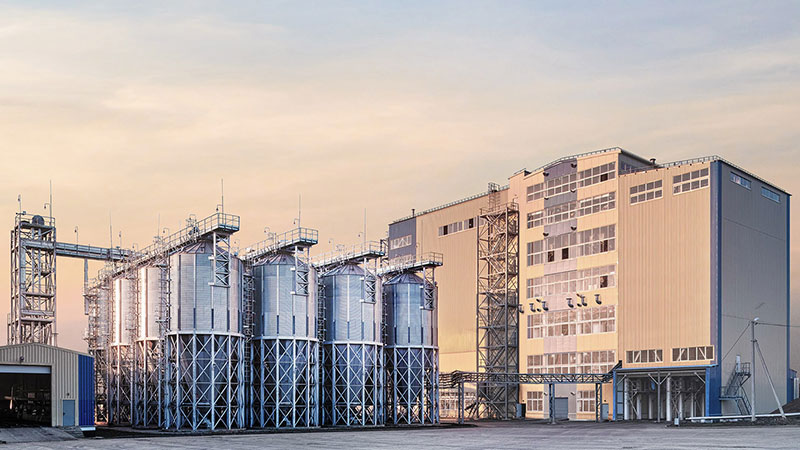
At RICHI, we go beyond project completion. With RICHI Servicee, we’re your dedicated partners in success. Count on us for expert guidance, minimal downtime, and optimized productivity. Choose RICHI for unmatched service and support.
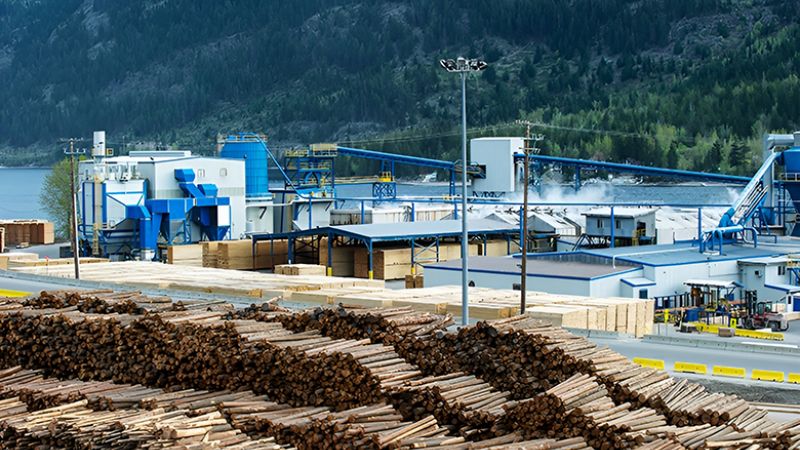


Meet global product demands and quality standards with industry-leading pellet plant design, engineering, equipment, and construction services for pellet processors.


Your Partner Beyond Project Completion
2000+ cases
RICHI is the leading designer, manufacturer and builder of pellet plants in the world, completing over 2000 projects in 140 countries across 6 continents.
Read More
Increase plant productivity, profitability, and safety by integrating high quality equipment into your pellet production line. Over the years, RICHI has become China's top pellet equipment manufacturer. At the same time, RICHI has established valuable partnerships with the world's leading component and raw material manufacturers to bring you the best there is in technology, automation, and efficiency in pelleting plant machinery.

For nearly 30 years, RICHI has been providing best-in-class pellet plant equipment and services to clients across a variety of industries, sizes, and needs. We pride ourselves on the knowledge and skill that each team member possesses – from our technical sales team to our process design engineers. You can count on RICHI Machinery to take your operation to the next level of innovation, quality, and success.
Need help with your pellet manufacturing plant project? Contact us today.
ANIMAL FEED
BIOMASS
WOOD
ORGANIC FERTILIZER
AQUA FEED
CAT LITTER
MUNICIPAL WASTE RECYCLING
SPECIAL PELLET PRODUCTION
RICHI Machinery continues to deliver world class pellet mill equipment, pellet plant engineering and project solutions that add value to our customers in the animal feed, wood waste, agriculture waste, organic fertilizer, cat litter and special pellet products industries. Throughout the years, we RICHI Machinery have built strong brand, becoming industry-leading pellet machine manufacturer. We value integrity, promise quality, and prioritize your success.
Learn MoreWith our expert team, we precisely implement your process engineering requirements in pellet mill and pelletizing plant systems. No matter which industry you’re in – we understand your needs and deliver solutions that meet the highest standards.
At RICHI, quality comes first. Our pellet making machine and related pellet line equipment undergo rigorous quality controls to ensure they meet the highest standards. Rely on products that are durable, safe, and efficient.
With decades of experience in pellet machine and pellet production line production, we have earned a reputation as a trusted partner in various industries. Our expertise allows us to cover a wide range of applications.
Not only do we offer premium pelleting equipment, but we are also experts at designing, building, installing, and maintaining facilities from the ground up. Our expertise is within pellt plant process design, discovering the most efficient, productive, and profitable way to handle your materials in an end-to-end cycle.
○ RICHI MACHINERY
Keeping in touch with us is an effective way to solve all your problems. If you have any needs or questions, please leave your contact information, then RICHI technical consultants will send design, quotation, videos to your mailbox. You can also contact us directly via WhatsApp: +86 13838389622
Copyright©2015-2026 by HENAN RICHI MACHINERY CO., LTD. All rights reserved.