
A Dong Nai feed processor uses a CZLH350 alfalfa pellet machine in Vietnam to produce 6 mm alfalfa and forage-based pellets from prepared hay, tropical grass and selected crop residues.
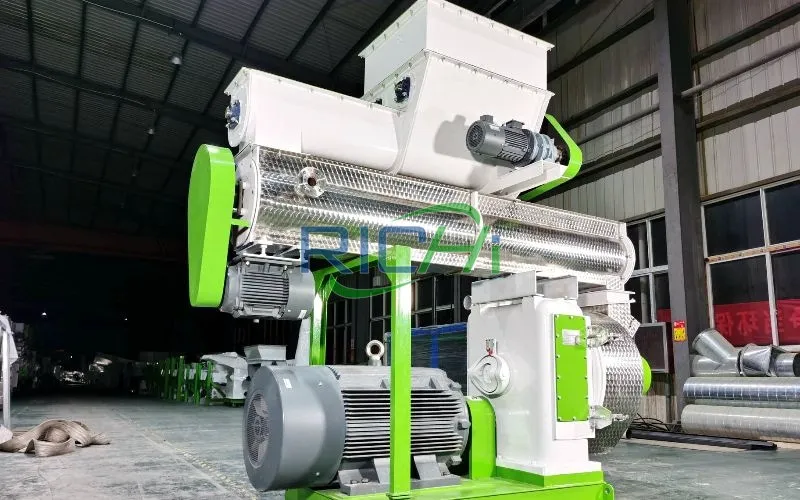
An Alfalfa Pellet Machine Making Feed in Vietnam was selected by a medium-scale feed processor in Dong Nai for a dedicated forage-pellet section. The customer already handled dried forage and manufactured livestock feed, but wanted a separate machine for densifying alfalfa hay and selected local roughage materials without rebuilding the rest of the factory.
The selected equipment is one CZLH350 forage pellet machine. With a 37 kW main motor and a reference output of approximately 1.0–1.2 T/H under suitable forage conditions, the machine fits a processor that needs regular commercial production but does not require a large multi-machine forage pellet plant.
The main product is a 6 mm forage pellet. Depending on the production schedule, the customer can process alfalfa as the principal ingredient or combine it with suitable dried tropical grasses and selected crop residues. These pellets are supplied as forage ingredients or formulated ruminant supplements rather than being treated automatically as complete cattle feed.
Name:
Alfalfa and forage pellet machine
Country:
Vietnam
Date:
2026
Capacity:
1.0–1.2 T/H
Model:
CZLH350
Main Motor Power:
37 kW
Raw Materials:
Dried alfalfa hay
Pellet diameter:
6 mm
Dong Nai is one of Vietnam's important livestock and animal-feed processing areas. That makes the location practical for a processor supplying farms and feed users in southern Vietnam.
The customer focuses mainly on ruminant applications rather than trying to sell alfalfa pellets as a universal product for every livestock species. Dairy cattle, beef cattle and small ruminants can all use forage-based feed materials, but their complete diets require different nutrient concentrations and roughage-to-concentrate balances.
The CZLH350 alfalfa grass pellet machine therefore serves as a physical processing machine. It makes dry forage easier to handle, store, transport and incorporate into feeding programs. Nutritional value still depends on the forage quality and the complete ration in which the pellet is used.
The plant purchases dried alfalfa hay through commercial forage suppliers. Supply can include imported baled material when the required grade is not available from domestic sources.
This is combined, when appropriate, with forage resources more characteristic of Vietnamese cattle feeding. The plant can evaluate dried Napier or elephant grass, suitable Brachiaria-type grasses, corn-derived forage and rice straw according to season, nutritional role and pelletizing behavior.
These materials are not mechanically or nutritionally interchangeable.
The customer therefore purchases and formulates forage by quality and nutritional purpose instead of using one fixed percentage recipe throughout the year.
Forage pelletizing begins with material preparation. A compressed alfalfa bale contains long stems and leaves that cannot be fed directly into the ring-die chamber.
Bales are opened first. Long forage is then chopped or coarsely reduced before secondary grinding. The objective is to create a material that flows consistently through the anti-bridging and forced-feeding system without leaving long stems capable of wrapping around feeding components.
For this type of project, the prepared forage is generally reduced to a few millimeters before pelletizing. Approximately 3–5 mm provides a useful working range for many dried forage materials, although the final specification depends on stem structure, bulk density and the ring die being used.
Grinding should not be taken further than necessary. Excessively fine alfalfa increases dust and can destroy useful particle structure without automatically improving pellet formation.
Dry hay may arrive at the factory within a normal storage-moisture range, but that does not mean every batch enters the pelletizer under identical conditions.
Material stored through a humid period can behave differently from recently opened dry bales. Tropical grass and crop residues may show even greater variation depending on drying method and storage conditions.
The plant therefore checks moisture after preparation and blending. For much of the dried forage handled by the CZLH350, a low-teens moisture range provides a practical starting point for pelletizing trials.
Material that is too wet can produce unstable feeding, difficult die operation and pellets that require additional post-pellet moisture removal. Material that is excessively dry may generate more fines and can require adjustment before stable densification is achieved.
The operating target is set from actual material behavior rather than one moisture number being imposed on every type of forage.
| Project Parameter | Configuration |
|---|---|
| Equipment | Alfalfa and forage pellet machine |
| Model | CZLH350 |
| Quantity | 1 unit |
| Main Motor Power | 37 kW |
| Anti-Bridging Feeder Power | 2.2 kW |
| Forced Feeder Power | 0.75 kW |
| Ring Die Inner Diameter | 350 mm |
| Available Pellet Diameter | 4–12 mm |
| Main Project Pellet | 6 mm |
| Reference Capacity | 1.0–1.2 T/H under suitable forage conditions |
| Primary Material | Dried alfalfa hay |
| Additional Materials | Prepared tropical grass and selected crop-derived forage |
| Installation Type | Standalone pelletizer connected to an existing forage preparation system |
The 1.0–1.2 T/H capacity is a reference for suitable prepared material. A tonne of clean alfalfa meal does not behave exactly like a tonne of fibrous rice straw or a blend containing coarse tropical grass.
Actual production changes with forage type, stem content, moisture, particle distribution, die specification and required pellet density. The plant therefore schedules output according to the material being processed rather than assuming the machine must always operate at one fixed rate.
Ground alfalfa and dried grass have substantially lower bulk density than many grain-based feed mixtures. Fibrous material can also bridge above a conventional inlet instead of falling evenly into the pelletizing chamber.
The CZLH350 alfalfa based biomass pellet machine addresses this with an anti-bridging feeder and forced-feeding mechanism. Their purpose is to keep the low-density forage moving and deliver it to the ring die at a more controlled rate.
This becomes especially important when the plant changes from relatively uniform alfalfa meal to a blend containing chopped grass or crop residue. A 37 kW main motor cannot produce stable output if the upstream feeding rate alternates between starvation and sudden overload.
The operators therefore adjust feeding together with material condition and pellet-mill load.
The customer selected 6 mm as the principal pellet diameter for the forage range.
This size provides a practical balance between pellet formation, bulk handling and use in cattle and small-ruminant feeding programs. The CZLH350 can accept other ring-die specifications within its 4–12 mm product range when a customer contract requires a different size.
The plant does not change diameter simply to create more product names. Maintaining one main 6 mm specification reduces unnecessary die changes and gives operators more consistent production conditions.
Pellet diameter is also treated separately from nutritional quality. An 8 mm rice-straw-rich pellet does not become nutritionally superior to a 6 mm alfalfa pellet because it is larger. Nutrient value comes from the raw material and formulation.
The CZLH350 gives the customer two main production routes.
For straight alfalfa production, dried alfalfa is opened, ground and pelletized with minimal formulation changes. The finished product remains an alfalfa-based forage ingredient and can be supplied to farms or feed businesses that want a compact alternative to loose hay.
For mixed forage products, alfalfa can be combined with selected dried grass or crop-derived fibre. The proportion depends on feed purpose, nutrient analysis, raw-material price and customer specification.
When grain ingredients, protein meals, minerals or premixes are added, the product moves closer to a formulated supplemental or compound feed. In that case, nutritional formulation becomes much more important and the mixture should not be designed simply around whichever raw material is cheapest.
This distinction allows the customer to use one pelletizing machine without presenting every pellet leaving it as the same type of feed.
Rice straw is an important agricultural residue in Vietnam and can contribute fibre to ruminant feeding, but its feeding value is substantially different from alfalfa.
For the Dong Nai processor, rice straw is therefore considered a formulation component rather than a low-cost one-for-one replacement for alfalfa hay.
When used in a pellet blend, the straw must first be dry, reasonably clean and reduced to a suitable length. Field contamination is also monitored because soil and mineral particles increase ash and can accelerate wear in grinding and pelletizing equipment.
Higher straw inclusion can change pellet density, die load and practical throughput. Formula decisions are therefore coordinated with both nutritional requirements and machine behavior.
The standalone machine works between forage preparation and post-pellet handling. A typical production campaign follows this sequence:
This arrangement keeps the role of the pellet machine clear. It cannot dry wet freshly cut grass, open compressed bales, remove stones or cool hot finished pellets by itself.
Vietnamese cattle farms commonly use fresh tropical forage, but freshly harvested Napier or similar grass contains far too much water to enter a ring-die pellet machine directly.
If the customer wants to pellet these materials, the grass has to be chopped and dried first. Only after moisture has been reduced to a suitable pelletizing condition does it enter the grinding and densification stages.
This means alfalfa hay and fresh tropical grass do not have identical preparation costs. Commercial baled alfalfa has already passed through field drying and baling, while fresh local grass may require a significant drying stage before it becomes a practical pellet feedstock.
The customer considers this difference when deciding whether a local forage should be pelletized or used directly as fresh roughage.
Densified forage is convenient, but a cattle feeding program should not be designed from pellet-machine capacity alone.
Dairy and beef cattle still require an appropriate complete ration and sufficient physically effective fibre. Depending on the farm's feeding system, long hay, silage, fresh grass or another structural forage may continue to be fed alongside pellets.
The 6 mm product can provide a convenient forage ingredient, supplement or component of a formulated ration, but pelleting does not turn low-quality roughage into premium feed and does not remove the need for proper ration formulation.
This is particularly relevant when rice straw or mature tropical grass is included. Reducing the material to smaller particles improves handling and mixing; it does not create protein or digestible energy that was not present in the material.
The scale of the CZLH350 allows the customer to run forage products in campaigns instead of operating a large industrial line continuously.
For example, a working day dedicated to alfalfa can prepare several tonnes of pellets without requiring the plant to commit its entire feed operation to one forage product. Another production period can be reserved for a grass-containing formulation after the previous material has cleared the system.
This arrangement also makes it easier to evaluate market demand before enlarging the forage-pellet section.
Increasing total factory capacity later will depend on more than adding another CZLH machine. Bale opening, grinding, drying, mixing, cooling and packaging all need to keep pace with the new pelletizing capacity.
Pellet quality is not finished when material leaves the ring die. Southern Vietnam's warm and humid conditions make post-pellet cooling and dry storage particularly important.
Warm pellets should not be sealed immediately into bags. Heat and residual moisture need to be removed first so that condensation does not develop inside packaging or storage bins.
The customer also protects both alfalfa hay and finished pellets from direct contact with wet floors and rain. Bales and bagged pellets are stored in ventilated, covered areas with attention to moisture pickup during longer storage periods.
These practices are important because a pellet machine cannot compensate for poorly stored forage entering the process or finished pellets absorbing moisture after production.
The CZLH350 alfalfa pellet making machine was prepared for sea transport from Qingdao, China, to the Ho Chi Minh City port area before inland delivery to Dong Nai.
For this standalone equipment project, site preparation focused on the machine's foundation, electrical connection, feed inlet, discharge position and connection with the customer's forage-handling equipment.
RICHI supplied the equipment information required for installation and operation, including machine interface data and guidance for ring-die and roller adjustment. Final inland transport, lifting and connection could then be coordinated around the conditions of the customer's existing workshop.
The logistics schedule depends on the actual vessel and customs arrangement, so transport time is managed according to the shipment rather than treated as a fixed machine specification.
After the CZLH350 is placed in regular production, the customer can evaluate actual demand for alfalfa and mixed forage pellets before deciding where additional investment creates the most value.
If prepared forage regularly accumulates ahead of the pelletizer, additional pelletizing capacity may eventually be justified. If wet local grass becomes a larger part of the business, drying may become the more urgent investment. Higher finished-product volume may instead make cooling, bagging or warehouse capacity the limiting factor.
This is the advantage of treating the CZLH350 as one production module. Expansion can follow measured operating demand rather than automatically duplicating equipment.
An Alfalfa Pellet Machine Making Feed in Vietnam has to be selected from the actual forage supply rather than from the word “alfalfa” alone. Baled alfalfa hay, dried Napier grass, rice straw and corn-derived forage differ in moisture, bulk density, fibre structure, nutritional value and pelletizing behavior.
For another Vietnam forage-pellet project, RICHI Machinery would first review the source and form of the alfalfa, whether bales are imported or domestically supplied, other forage materials to be processed, incoming moisture, particle size after grinding, required hourly production, principal pellet diameter, daily operating hours and the capacity of existing drying, mixing and cooling equipment.
These details determine whether the CZLH350 provides sufficient capacity or whether another CZLH model is more appropriate. They also determine whether purchasing only the pellet machine is enough or whether preparation and post-pellet equipment should be upgraded at the same time.
Having the right mix of reliable, high-quality pellet machine and pelletizing systems and expert support is essential to your success. Watch how our end-to-end feed pellet plant solutions have helped our customers optimize their performance.
Our customized and future-proofed turnkey pellet plant solutions is designed with you at the core. From vision to reality and beyond, our team stays connected with yours. Giving you peace-of-mind with an expert at your side.
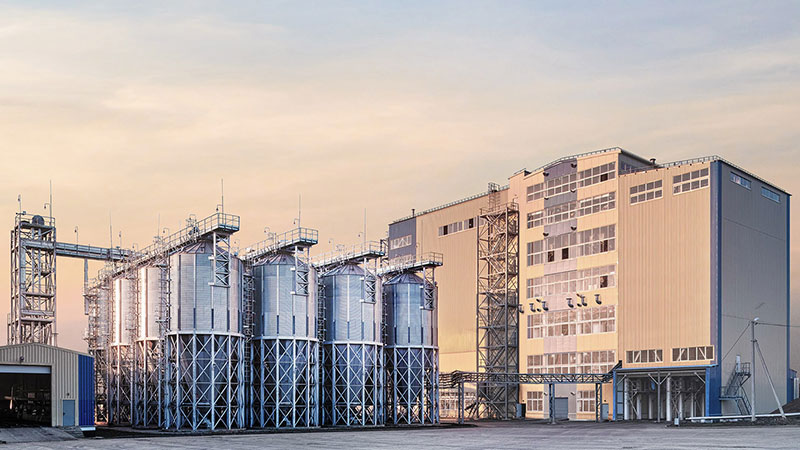
At RICHI, we go beyond project completion. With RICHI Servicee, we’re your dedicated partners in success. Count on us for expert guidance, minimal downtime, and optimized productivity. Choose RICHI for unmatched service and support.
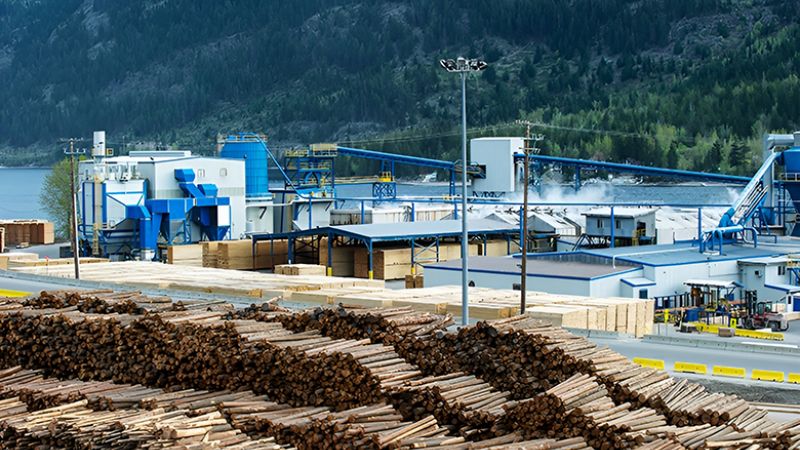


Meet global product demands and quality standards with industry-leading pellet plant design, engineering, equipment, and construction services for pellet processors.

Your Partner Beyond Project Completion
2000+ cases
RICHI is the leading designer, manufacturer and builder of pellet plants in the world, completing over 2000 projects in 140 countries across 6 continents.
Read More
Increase plant productivity, profitability, and safety by integrating high quality equipment into your pellet production line. Over the years, RICHI has become China's top pellet equipment manufacturer. At the same time, RICHI has established valuable partnerships with the world's leading component and raw material manufacturers to bring you the best there is in technology, automation, and efficiency in pelleting plant machinery.

For nearly 30 years, RICHI has been providing best-in-class pellet plant equipment and services to clients across a variety of industries, sizes, and needs. We pride ourselves on the knowledge and skill that each team member possesses – from our technical sales team to our process design engineers. You can count on RICHI Machinery to take your operation to the next level of innovation, quality, and success.
Need help with your pellet manufacturing plant project? Contact us today.
ANIMAL FEED
BIOMASS
WOOD
ORGANIC FERTILIZER
AQUA FEED
CAT LITTER
MUNICIPAL WASTE RECYCLING
SPECIAL PELLET PRODUCTION
RICHI Machinery continues to deliver world class pellet mill equipment, pellet plant engineering and project solutions that add value to our customers in the animal feed, wood waste, agriculture waste, organic fertilizer, cat litter and special pellet products industries. Throughout the years, we RICHI Machinery have built strong brand, becoming industry-leading pellet machine manufacturer. We value integrity, promise quality, and prioritize your success.
Learn MoreWith our expert team, we precisely implement your process engineering requirements in pellet mill and pelletizing plant systems. No matter which industry you’re in – we understand your needs and deliver solutions that meet the highest standards.
At RICHI, quality comes first. Our pellet making machine and related pellet line equipment undergo rigorous quality controls to ensure they meet the highest standards. Rely on products that are durable, safe, and efficient.
With decades of experience in pellet machine and pellet production line production, we have earned a reputation as a trusted partner in various industries. Our expertise allows us to cover a wide range of applications.
Not only do we offer premium pelleting equipment, but we are also experts at designing, building, installing, and maintaining facilities from the ground up. Our expertise is within pellt plant process design, discovering the most efficient, productive, and profitable way to handle your materials in an end-to-end cycle.
○ RICHI MACHINERY
Keeping in touch with us is an effective way to solve all your problems. If you have any needs or questions, please leave your contact information, then RICHI technical consultants will send design, quotation, videos to your mailbox. You can also contact us directly via WhatsApp: +86 13838389622
Copyright©2015-2026 by HENAN RICHI MACHINERY CO., LTD. All rights reserved.