
The 4t/h straw and mushroom residue powder fertilizer production line in Portugal was conceived because of a very real need: in northern Portugal’s agricultural districts, straw from cereal harvests and spent mushroom substrate accumulate every season in large quantities.
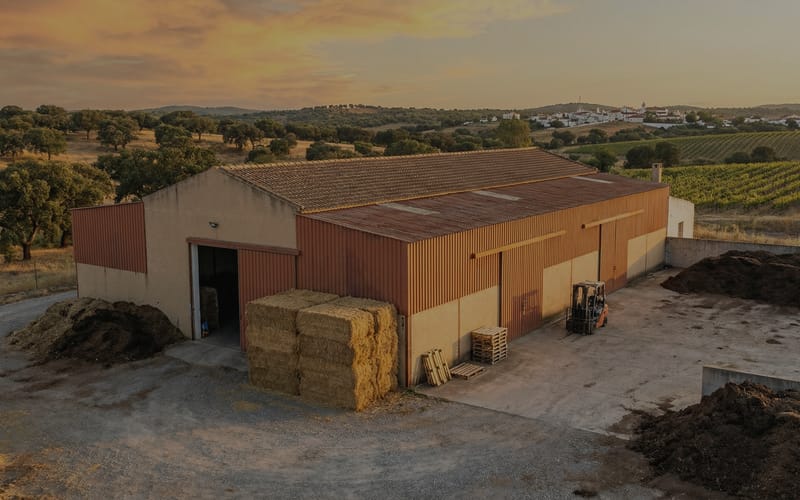
The 4t/h straw and mushroom residue powder fertilizer production line in Portugal was conceived because of a very real need: in northern Portugal’s agricultural districts, straw from cereal harvests and spent mushroom substrate accumulate every season in large quantities. Farmers were either burning the straw or paying high disposal fees. Meanwhile, the mushroom growers — expanding their Oyster and Shiitake output — had tons of spent substrate that was simply piling up.
A group of local cooperatives saw opportunity in waste. They believed these abundant organic residues could be turned into a nutrient‑rich organic fertilizer, and that belief drew them to discuss a processing line capable of about 4 tonnes per hour. They were not interested in a small backyard system. They wanted something that could reliably turn straw, mushroom residue, and small amounts of livestock manure into a consistent fertilizer powder used across cash crops, vineyards, and olive groves.
That’s how the 4t/h straw and mushroom residue powder fertilizer production line in Portugal was born — a project that balances the challenge of diverse raw materials with practical production flow and strong environmental controls.
Name:
straw mushroom powder fertilizer plant
Country:
Portugal
Date:
2025
Capacity:
4T/H
Product Type:
Organic Fertilizer
Fertilizer Form:
Powder
Raw Materials:
straw, mushroom, manure
Annual Output:
20000 Tons
When we first spoke with the client in Porto, they didn’t cite “capacity” or “automation” as their main pain points. They talked about a pile of problems:
A steel‑framed shed near the cooperatives’ hub was already available as a converted warehouse. That reduced land cost pressure and made Portugal a great fit: straw and mushroom residue are both locally abundant, and there’s strong demand for organic soil amendments.
The core question we heard more than once was: “Can we turn all this waste into something farmers will actually buy?” Our answer was to build a line focused on straw and mushroom residue powder fertilizer, with microbial activators, controlled fermentation, and mechanized drying to produce a consistent, marketable product.
The plant occupies about 11,440 m² and was retrofitted from existing buildings plus newly erected structures. The layout ensures a logical flow from raw receipt to final packaging.
There’s also a small chemical testing lab for quality control, an office & locker zone, and a maintenance bay. The conversion of the old brick factory reduced initial civil work costs and expedited delivery.
Before we settled on the recipe, we spent time understanding how straw and spent mushroom substrate behave. Straw is dry and fibrous; mushroom residue is heavy and retains moisture. Both require controlled mixing and moisture adjustment to feed microbes effectively.
Below is a breakdown of actual raw materials used annually:
| Raw Material | Annual Usage | Source | Typical Moisture |
|---|---|---|---|
| Agricultural straw | 10,000 t | Local farms | ~15% |
| Spent mushroom substrate | 25,000 t | Mushroom producers | ~50% |
| Livestock manure | 2,000 t | Nearby farms | ~60% |
| Microbial fermenting agent | 20 t | Purchased | — |
| Polywoven bags | 800,000 units | Purchased | — |
| Groundwater (process) | 1,500 m³ | Onsite well | — |
| Electricity | 122,400 kWh | Local grid | — |
What all this means: Straw contributes structure and carbon; mushroom residue offers nitrogen, balanced carbon, and organic content. Livestock manure fills in nutrients and helps with active microbial growth during fermentation.
The organic fertilizer production line was assembled with a straightforward list of robust, serviceable machines. Clients wanted reliability without high maintenance risk.
| Equipment | Quantity | Purpose |
|---|---|---|
| Fermentation Turner | 1 | Aerates and homogenizes piles |
| Front‑End Loaders | 2 | Material handling |
| Raw Bag Opener & Shredder | 2 | Breaks down substrate bags |
| Secondary Powder Crusher | 1 | Fine powder production |
| Trommel Screen | 1 | Sieving oversized material |
| Twin‑Shaft Mixer | 1 | Blends additives |
| Packaging Line | 2 | Weighing & bagging |
| Hydraulic Trucks | 2 | Material transport |
| Handheld Sewing Machines | 4 | Bag closure |
| Mobile Conveyor | 1 | Transfer between zones |
| Lab Testing Kit | 1 | Quality control |
There’s a mix of mechanical and semi‑automated equipment. The design is pragmatic: easily serviced locally, low energy footprint, modular.
The 4t/h straw and mushroom residue powder fertilizer production line in Portugal uses a blend of traditional composting and mechanized processing. Below is a simplified but realistic account of the main stages:
Straw and mushroom substrate arrive in bulk. Bags are opened mechanically; large clumps are broken apart. Moisture checks happen here, because if straw is too dry and mushroom residue too wet, fermentation stalls.
The first few days of operation consistently required us to adjust moisture manually — a reminder that real material rarely behaves like lab samples.
Materials are fed into the twin‑shaft mixer machine with controlled addition of microbial inoculant and water. The goal is a homogenous mass at about 40–50% moisture, which keeps aerobic microbes happy.
Mixture moves into deep fermentation lanes. These are long rows about 1.5 m high, 4 m wide, and up to 50 m long. Forced aeration systems circulate air; temperatures climb into the 65–70°C zone within 2–3 days.
At this point, ammonia, hydrogen sulfide, and other odor molecules are being generated. A sealed roof and exhaust system capture these gases for treatment.
After about 15 days, stainless turners move the material to a second fermentation area for deep stabilization (another ~30 days). This ensures complex organics break down into humic substances and that pathogen levels drop to safe ranges.
Once matured, material passes through the screening and crushing area. A fine powder is desired — roughly 2–3 mm particle size — so oversized pieces are systematically returned to crushers.
Powder is blended with trace minerals, checked in the lab, and bagged in 25 kg polywoven sacks with inner liners. This format fits farmer preferences and local handling norms.
Portugal has strict air and odor emission regulations. We worked with local environmental consultants to design controls that meet European best practice, not just minimum standards.
Fermentation odors (ammonia, sulfur compounds) are captured via an active hood system over the fermentation lanes, routed through a bio‑scrubber, then exhausted through a 15 m stack. Dust from shredding and crushing is pulled with ductwork into a baghouse filter.
There’s essentially no production wastewater — all processing is dry. Domestic and wash water go to a small septic treatment and are reused for landscaping.
Mechanical noise is mitigated with pad mounts and isolation. Solid waste (reject bags, unusable material) is collected and processed back into the feedstock stream when possible.
The straw and mushroom residue powder fertilizer production line in Portugal is staffed by 10 personnel working in two shifts covering 16 hours per day across 300 days annually. Staff include:
Portugal’s labor market means wages align with EU averages, and we recommended cross‑training operators so they could troubleshoot common issues without specialist technicians.
Based on local pricing and logistics, we estimated the investment for the 4t/h straw and mushroom residue powder fertilizer production line in Portugal to be:
Equipment was shipped from Qingdao Port, China, to Port of Leixões near Porto. Inland trucking ensured timely delivery to the site.
Energy use is modest (~130,000 kWh/year), and water consumption (~1,500 m³/year) is covered easily by an onsite well.
Portugal’s agricultural sector is increasingly focused on soil health and organic inputs. Olive groves, vineyards, and specialty vegetable farms are all experimenting with organic soil amendments, and quality compost powders find a ready market at €150–200/ton. Farmers appreciate the improved structure, slow‑release nutrients, and microbial activity such products bring.
The 4t/h straw and mushroom residue powder fertilizer production line in Portugal taps into this trend by offering a locally sourced, traceable organic product — not an imported bag from overseas.
A couple of bulleted observations that didn’t make the spec sheets but matter on the ground:
It’s these little on‑site tweaks that make the difference between theoretical design and a running plant that keeps producing good product year after year.
The 4t/h straw and mushroom residue powder fertilizer production line in Portugal stands as a strong example of how agricultural residues can be turned into valuable products while meeting environmental expectations and keeping operating costs manageable. For investors and cooperatives in similar regions with abundant straw and mushroom substrate, this model shows a viable path to revenue through circular economy principles.
If you’re evaluating your own organic fertilizer production project — whether based on straw, mushroom residue, palm fiber, or similar organic wastes — it’s worth talking through your raw material characteristics, seasonal variation, and desired outputs. We’re always open to workshop scenarios like this and provide tailored engineering and financial insights before you commit.
Having the right mix of reliable, high-quality pellet machine and pelletizing systems and expert support is essential to your success. Watch how our end-to-end feed pellet plant solutions have helped our customers optimize their performance.
Our customized and future-proofed turnkey pellet plant solutions is designed with you at the core. From vision to reality and beyond, our team stays connected with yours. Giving you peace-of-mind with an expert at your side.
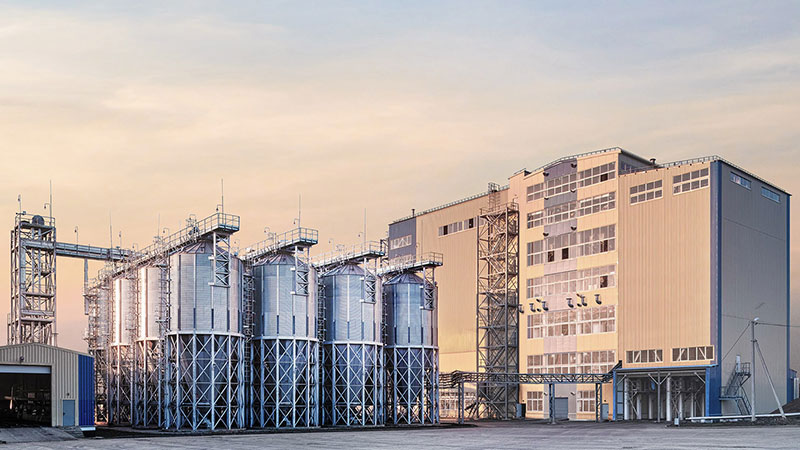
At RICHI, we go beyond project completion. With RICHI Servicee, we’re your dedicated partners in success. Count on us for expert guidance, minimal downtime, and optimized productivity. Choose RICHI for unmatched service and support.
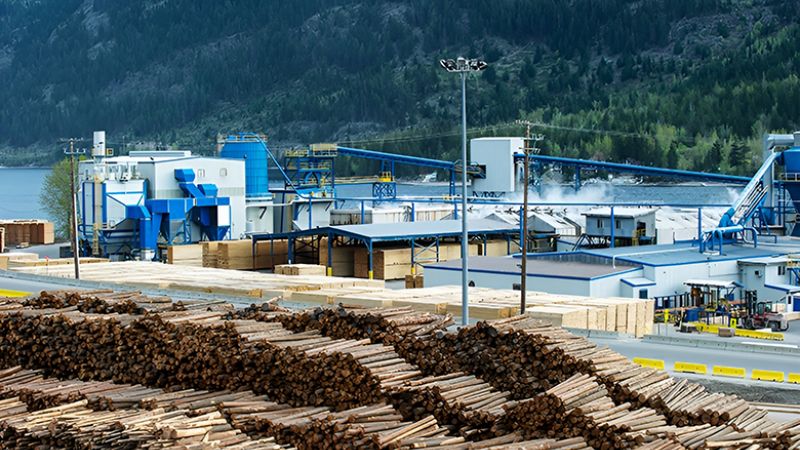


Meet global product demands and quality standards with industry-leading pellet plant design, engineering, equipment, and construction services for pellet processors.


Your Partner Beyond Project Completion
2000+ cases
RICHI is the leading designer, manufacturer and builder of pellet plants in the world, completing over 2000 projects in 140 countries across 6 continents.
Read More
Increase plant productivity, profitability, and safety by integrating high quality equipment into your pellet production line. Over the years, RICHI has become China's top pellet equipment manufacturer. At the same time, RICHI has established valuable partnerships with the world's leading component and raw material manufacturers to bring you the best there is in technology, automation, and efficiency in pelleting plant machinery.

For nearly 30 years, RICHI has been providing best-in-class pellet plant equipment and services to clients across a variety of industries, sizes, and needs. We pride ourselves on the knowledge and skill that each team member possesses – from our technical sales team to our process design engineers. You can count on RICHI Machinery to take your operation to the next level of innovation, quality, and success.
Need help with your pellet manufacturing plant project? Contact us today.
ANIMAL FEED
BIOMASS
WOOD
ORGANIC FERTILIZER
AQUA FEED
CAT LITTER
MUNICIPAL WASTE RECYCLING
SPECIAL PELLET PRODUCTION
RICHI Machinery continues to deliver world class pellet mill equipment, pellet plant engineering and project solutions that add value to our customers in the animal feed, wood waste, agriculture waste, organic fertilizer, cat litter and special pellet products industries. Throughout the years, we RICHI Machinery have built strong brand, becoming industry-leading pellet machine manufacturer. We value integrity, promise quality, and prioritize your success.
Learn MoreWith our expert team, we precisely implement your process engineering requirements in pellet mill and pelletizing plant systems. No matter which industry you’re in – we understand your needs and deliver solutions that meet the highest standards.
At RICHI, quality comes first. Our pellet making machine and related pellet line equipment undergo rigorous quality controls to ensure they meet the highest standards. Rely on products that are durable, safe, and efficient.
With decades of experience in pellet machine and pellet production line production, we have earned a reputation as a trusted partner in various industries. Our expertise allows us to cover a wide range of applications.
Not only do we offer premium pelleting equipment, but we are also experts at designing, building, installing, and maintaining facilities from the ground up. Our expertise is within pellt plant process design, discovering the most efficient, productive, and profitable way to handle your materials in an end-to-end cycle.
○ RICHI MACHINERY
Keeping in touch with us is an effective way to solve all your problems. If you have any needs or questions, please leave your contact information, then RICHI technical consultants will send design, quotation, videos to your mailbox. You can also contact us directly via WhatsApp: +86 13838389622
Copyright©2015-2026 by HENAN RICHI MACHINERY CO., LTD. All rights reserved.